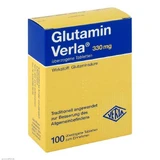
Glutamine Fx, 25 sachets, Pro Nutrition
Pro Nutrition
 Promo code APP3 – € 3 discount on your first order in app
 Free delivery for orders over € 49



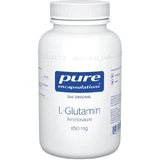
PURE ENCAPSULATIONS L-Glutamine 850 mg Capsules 90 Capsules
Pure Encapsulations L-Glutamine, 60 capsules
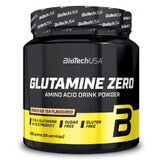
Glutamine Zero Peach Ice Tea, 300 g, BioTech USA
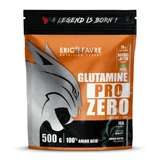
ERIC FAVRE GLUTAMINE PRO ZERO 500G
Out of stock








The information in the FAQ section was created by the Liki24.fr team and is based on the official manufacturer's manual
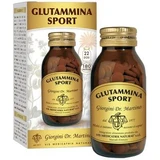
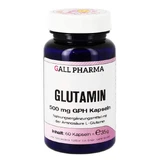
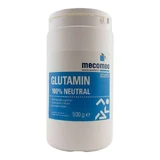
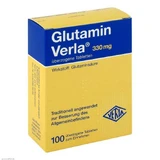
Glutamine is a non-essential amino acid, which means that the human body is able to synthesise it in sufficient quantities under normal conditions. However, during periods of intense physical stress, such as intense training or recovery from injury, the demand for this amino acid increases significantly. Glutamine plays a crucial role in maintaining nitrogen balance, stimulating protein synthesis, supporting the immune system and protecting the intestinal mucosa.
Glutamine is available in various pharmaceutical forms, each tailored to the specific needs of users:
Glutamine capsules or powder are recommended for:
The recommended standard dosage varies depending on the purpose of use and the form of administration.
For GoldNutrition Glutamine 1000 mg, take 3 capsules per day, 2 after training and one before bedtime.
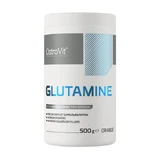
For Glutamine Zero powder, take one serving (2 measuring spoons) dissolved in 150 ml of water, preferably after training. On rest days, it is recommended to take it in the afternoon. The use of a shaker is recommended.
Glutamine powder or capsules are not recommended:
For athletes, the dose of Glutamine during training can be adjusted according to the intensity of the training and the level of oxidative stress in the body.
Taking Glutamine before bedtime can support night-time recovery.
Although generally well tolerated, excessive use of Glutamine may lead to gastrointestinal disorders (bloating, cramps, diarrhoea) or dizziness.
Interactions with nitrogen metabolism may also occur in patients with liver or kidney disease.
Glutamine may interact with certain medications, such as anticonvulsants, whose effect it may diminish.
It is recommended that you inform your doctor about any other medications you are taking concomitantly with Glutamine, especially in the case of medications for chronic diseases.
Very high doses of glutamine can cause increased blood ammonia levels, severe digestive discomfort or metabolic imbalances that can affect liver and kidney function.
In case of overdose, stop administration and consult a specialist immediately.
Store in a cool, dry place, away from direct sunlight. Once opened, consume within 4 months. Keep out of reach of small children. Observe the expiry date stated on the packaging.
| Category | Vitamins & Supplements, Vitamins and Minerals, Vitamins for Skin, Hair and Nails, Vitamins for women, Minerals, Multivitamins and Minerals, Joints, bones and muscles health, Joints and bones care, Healthy digestion, Digestive enzymes, Brain health, Amino acids, Supplements for athletes, Diet and Nutrition, Healthy food, Sports nutrition, Mineral complexes, Protein bars, BCAA, Protein, Pre-training complexes, Energisers for athletes, Weight Control, Weight loss pills, Useful kits |
| Brand | 226ERS, Aliness, Biotech USA, Botanicapharma, Eric Favre, Gold Nutrition, GreenFood Nutrition, KAL, Marnys, Natural Doctor, Naturmil, Ostrovit, Plantapol, Pro Nutrition, Pure Encapsulations, Raab Vitalfood, Solgar, Weider |
| Product type | Capsules, Chewable tablets, Powder, Sachets, Sticks, Tablets, Vials |